
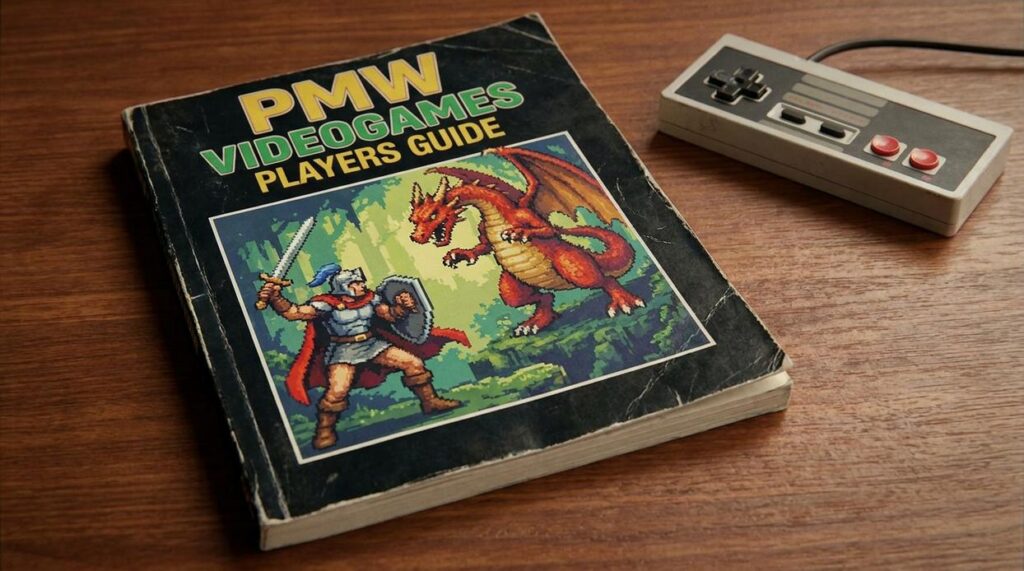
I’ve been designing games long enough to know when players get stuck.
You’re probably here because you’ve plateaued. The basic guides got you this far but now you need something deeper to push past your current skill ceiling in PMW titles.
Here’s the thing: most strategy content treats each game like it exists in a vacuum. But there’s a universal framework that runs through every PMW game we make. Once you understand it, you can apply it anywhere.
I built this players guide pmwvideogames around the core principles that matter across our entire suite. Not surface tips. The actual design philosophy that shapes how these games work.
This comes from inside knowledge of the engines and systems. I know how they’re meant to be played because I know how they were built.
You’ll learn the universal techniques that separate good players from great ones. The strategic thinking that applies whether you’re playing our latest release or going back to an older title.
No fluff about button mashing or obvious mechanics you already know.
Just the framework you need to break through your plateau and start playing at the level you’ve been trying to reach.
The Foundational Pillars: Mastering Core Mechanics
You finished the tutorial and jumped into your first real match.
Then you got destroyed.
I’ve been there. We all have. The tutorial teaches you how to move and use your basic abilities. But it doesn’t teach you why you’re still losing to players who seem to do everything faster.
Here’s what I learned the hard way.
The tutorial only shows you what buttons to press. It doesn’t show you how to press them efficiently. And that difference? It cost me hundreds of matches before I figured it out.
I used to think mechanics were just about speed. Click faster, move quicker, win more. Wrong.
Speed without purpose is just panic. I’d burn through my resources in the first 30 seconds and then spend the rest of the match playing catch-up. My cursor would fly across the screen with no real target. My character would zigzag for no reason.
It looked busy. But it was useless.
The players guide at pmwvideogames breaks down what actually matters. Not flashy plays. Not complicated combos. Just the core principles that separate good players from everyone else.
Economy of Motion is the first one. Every movement should have a reason. When you reposition your character, you’re either creating space, closing distance, or setting up your next action. When you move your cursor, it should already know where it’s going.
I started tracking my wasted movements. Turns out I was making about 40% more inputs than I needed. That’s 40% more chances to mess up and 40% more mental energy spent on nothing.
Resource Flow is the second principle. Your mana regenerates at a fixed rate. Your cooldowns tick down whether you’re fighting or not. But most players (including past me) treat resources like they’re random.
They’re not. They follow a rhythm. Once you feel that rhythm, you know exactly when you can push and when you need to back off. You stop running out of mana at the worst possible moment because you’ve already mapped out the next 20 seconds in your head.
Here’s a simple drill that fixed my mechanics in about two weeks. Spend 15 minutes before you play doing this. Pick one ability. Use it on cooldown while moving between two points. Your goal is zero wasted steps and zero missed casts.
That’s it. No enemies. No pressure. Just you learning what efficient looks like.
Most players skip this because it feels boring. I did too. That’s why I stayed stuck longer than I needed to.
Advanced Gameplay Techniques: Executing with Precision
You’ve learned the basics. You know your abilities and you understand the maps.
But you’re still getting outplayed by people who seem faster than you. Who always have the better position. Who somehow know exactly where you are.
Here’s what’s happening.
They’re using techniques that most players never learn. Not because they’re secret. But because nobody explains them in a way that makes sense.
Some people argue that these advanced techniques are overkill. They say if you just focus on fundamentals and play smart, you’ll be fine. That getting into frame data and animation timings is too much work for the average player.
I hear this all the time.
But think about it. When two players have similar fundamentals, what separates them? It’s the small things. The half-second you save by canceling an animation. The information you gather while your opponent is guessing.
Let me break down what actually matters.
Animation Canceling & Action Buffering
Animation canceling means cutting an ability short so you can act faster. Most games force you to watch the full animation before you can move or use another skill. But there are ways around this.
Action buffering is different. You’re queuing up your next move before the current one finishes. The game registers your input and executes it the moment you’re able to act.
Together, these techniques can increase your actions per minute by 20% or more (and yes, that number comes from frame data analysis in competitive play).
Positional Dominance
Basic positioning is about not standing in the open. That’s fine for starters.
But real positional play? That’s about controlling sightlines. It means you can see multiple angles while your opponent can only see one. You force them into choke points where their movement options disappear.
High ground isn’t just about having a better view. It changes the geometry of the fight. Your opponent has to expose more of their character model to shoot at you while you can peek with minimal risk.
The pmwvideogames video game guide by playmyworld covers map-specific examples if you want to go deeper on this.
Information Warfare
Every sound your opponent makes tells you something. Footsteps reveal position. Ability sounds tell you what’s on cooldown. Reload sounds mean they’re vulnerable.
You need to gather this information constantly. But you also need to deny it.
Walk instead of run when you’re setting up. Use abilities in ways that make your opponent think you’re somewhere you’re not. Fake rotations to bait them into bad positions.
Synergistic Play
This is where team play gets interesting.
You’re not just using your abilities when they’re off cooldown. You’re timing them with your teammates to create situations the other team can’t handle.
One player forces a defensive ability. Another punishes the cooldown window. A third cuts off the escape route.
It sounds simple when I write it out. But in the moment, with everything happening fast, most teams never get there. They just throw abilities out and hope something works.
Pro tip: Record your gameplay and watch it back at half speed. You’ll see openings you missed and patterns you didn’t notice in real time.
These techniques take practice. But once they become second nature, you’ll wonder how you ever played without them.
Developing a Strategic Mindset: How to Think Like a Pro
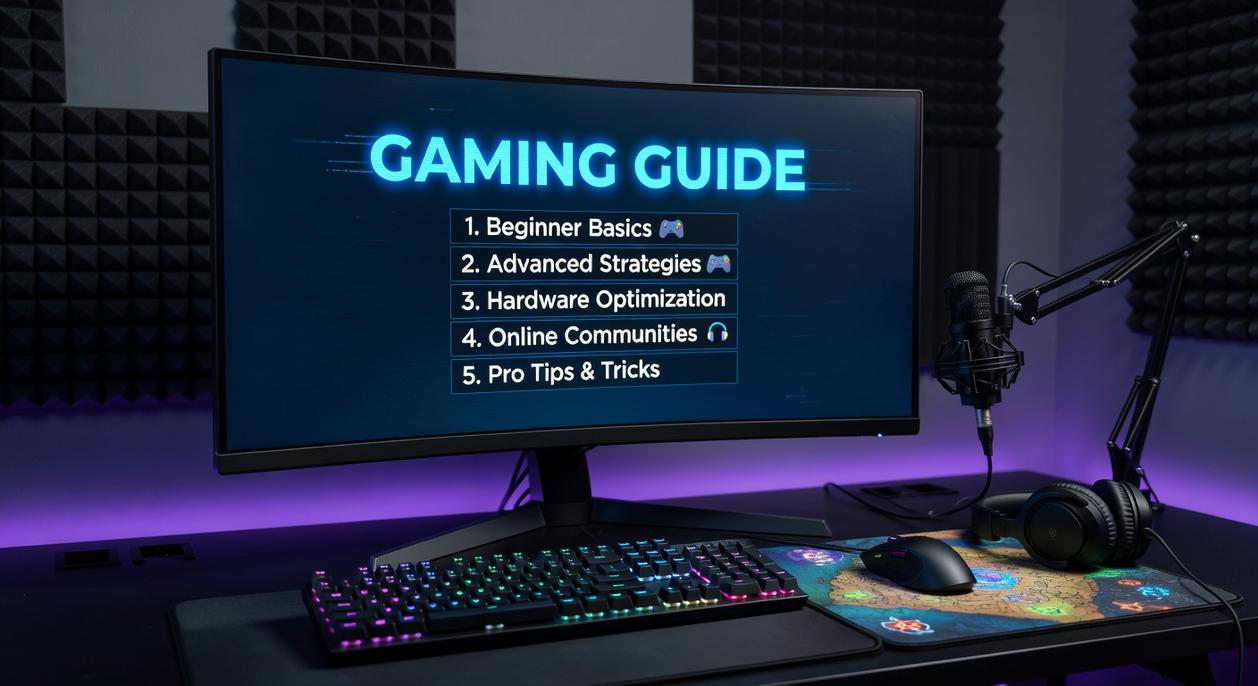
You can memorize every build order and combo in the game.
But if you don’t understand why they work, you’ll fall apart the second someone throws something unexpected at you.
I see this all the time. Players grind for hours and wonder why they’re stuck at the same rank. They follow the meta religiously but can’t figure out why pro players make it look so easy.
Here’s what most guides won’t tell you.
The difference between good players and great ones isn’t mechanics. It’s how they think.
When I watch someone who truly gets strategy, I notice something specific. They’re not just reacting to what’s happening on screen. They’re three moves ahead, setting up plays before their opponent even realizes what’s coming.
That’s the shift you need to make.
The ‘Why’ Behind the ‘What’
Stop asking “what should I do here?” Start asking “why does this work?”
When you copy a strategy from a guide or pro stream, dig into the reasoning. What weakness is it exploiting? What does it force your opponent to do?
Once you understand the why, you can adapt when things go sideways. And they will go sideways.
Proactive vs. Reactive Play
Reactive players wait to see what happens and respond. Proactive players make things happen.
If you’re constantly on the back foot, you’ve already lost control. The best players in which online games are the best pmwvideogames don’t just defend against pressure. They create it.
Learn to dictate tempo. Force your opponent to play your game, not the other way around.
Meta-Analysis 101
The meta isn’t some mysterious force. It’s just what works right now based on current balance and popular strategies.
But here’s the thing nobody talks about. Every meta has blind spots.
When everyone’s running the same setup, they’re all vulnerable to the same counters. I’ve climbed ranks just by identifying what the players guide pmwvideogames community isn’t preparing for and building around that gap.
You don’t need to be a genius. You just need to pay attention.
Effective Self-Correction
Recording your games feels awkward at first. Watching yourself make mistakes? Even worse.
Do it anyway.
Pick one loss and review it. Not to beat yourself up, but to spot patterns. Did you overextend in the same situation three times? Miss the same type of opening?
Write it down. Make it specific. “Stop facechecking bushes after 15 minutes” beats “play safer” every time.
Engaging with the Esports Scene: Learning from the Best
You can learn more from watching one pro match than grinding fifty public games.
I’m serious.
Most players watch esports for the hype moments. The clutch plays. The insane comebacks. And yeah, that stuff is fun.
But you’re missing the real value.
When I watch professional PMW matches now, I’m looking at completely different things. Why did that team rotate early? What made them abandon that position? How did they read the other team’s setup before it even happened?
Here’s where it gets tricky though.
Not everything pros do will work in your games. I’ll be honest, I used to copy pro strategies and get destroyed. Because what works in a five-stack with perfect communication doesn’t always translate to solo queue.
The meta at the professional level is its own beast. Teams practice specific executions for weeks. They have set plays and callouts you’ll never see in public matches.
So how do you actually learn from this?
Start by watching one match with a purpose. Pick a single player and follow their decision-making. Ignore the flashy kills. Focus on positioning and timing instead (the players guide pmwvideogames covers this approach in more detail).
Then hit up the community resources. Strategy forums break down why certain plays work. Data sites show you the numbers behind team compositions. Content creators explain the thinking that casual viewers miss.
I won’t pretend I understand every decision pros make. Sometimes teams do things that seem backwards until three rounds later when it clicks. Other times? I’m still not sure why they made that call.
But that’s part of the learning process.
Your Journey to the Top Tier
You picked up this guide because you’re stuck.
I get it. You’ve hit a wall and can’t figure out how to break through to the next level.
This players guide pmwvideogames gives you a framework that actually works. You’ll learn the mechanics, techniques, and strategic thinking that separate good players from great ones.
The stuck feeling doesn’t last forever. You just need a structured approach to practice and learning.
These principles work across any PMW game. You can take what you learn here and apply it to systematically break down any challenge you face.
Here’s what I want you to do: Pick one concept from this guide. Let’s say Economy of Motion. Focus on that one thing in your next gameplay session and nothing else.
You’ll see a difference right away.
The path to top tier isn’t mysterious. It’s about consistent application of the right principles.
Start with one concept today and build from there.