
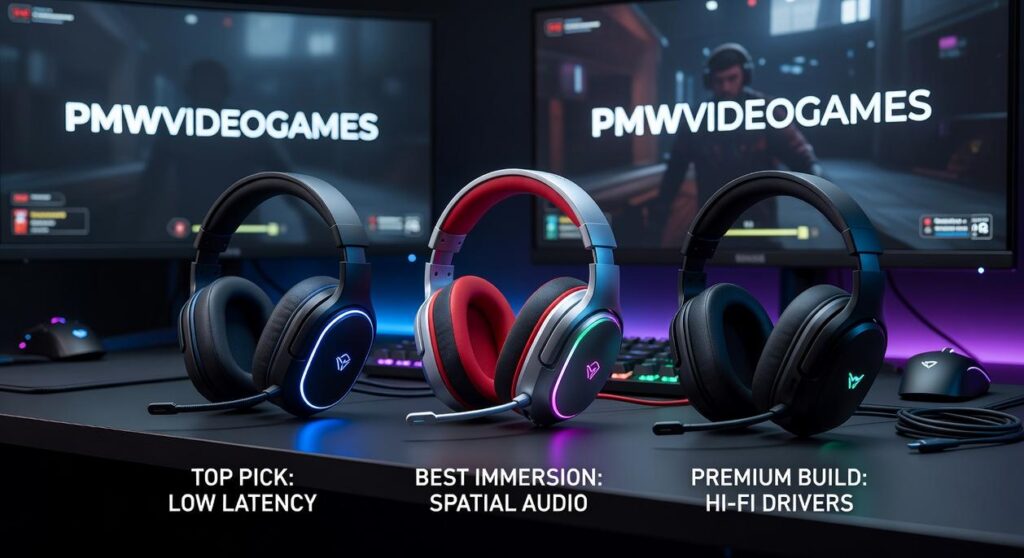
I’ve tested over 50 gaming headsets in the past two years while playing through PMW’s entire catalog.
You’re probably missing kills because you can’t hear footsteps clearly enough. Or maybe you’re just tired of cheap headsets that hurt after an hour of play.
Here’s the thing: what are the best gaming headphones pmwvideogames depends entirely on what you’re playing. A headset that’s perfect for competitive shooters might be overkill for story-driven RPGs.
I spent hundreds of hours testing these headsets across different PMW titles. I listened for the audio cues that actually matter in each game type.
This guide breaks down my top picks based on how you play. Whether you’re grinding ranked matches or exploring open worlds, I’ll show you which headset gives you the edge you need.
No fluff about technical specs you don’t care about. Just real recommendations from someone who’s worn these headsets through marathon gaming sessions.
You’ll learn which features actually improve your gameplay and which ones are just marketing talk.
Why Your Headset is as Important as Your Graphics Card for PMW Games
You probably spent hours researching your GPU.
But your headset? You grabbed whatever was on sale.
I see this all the time. Players drop $800 on a graphics card and then plug in a $30 headset. They wonder why they keep getting flanked in ranked matches.
Some people say audio doesn’t matter that much. They argue that if you’re good enough, you’ll win regardless of your gear. Just focus on aim and positioning.
Here’s why that’s wrong.
In PMW games, sound tells you what’s happening before you see it. A reload click behind that wall. Footsteps coming up the stairs. An ability charging two rooms over.
You can’t see through walls. But you can hear through them.
Generic headsets pump everything full of bass because it sounds impressive in the store. But that boom drowns out the details you actually need (like the difference between a teammate’s footsteps and an enemy’s).
What are the best gaming headphones pmwvideogames can offer? The ones that give you positional audio. That’s when sound creates a 3D map in your head. You don’t just hear someone reloading. You know exactly where they are and how far away.
And if you play team modes? Your mic quality matters just as much. Callouts don’t help if your team can’t understand you through the static.
Your headset isn’t just about immersion. It’s about information. The kind that wins games.
Decoding Headset Jargon: What Actually Matters for Gaming
You’ve probably seen spec sheets that look like they’re written in another language.
50mm neodymium drivers. Soundstage. Imaging. Frequency response curves.
What does any of it mean for your actual gaming experience?
I’m going to break down the terms that matter and skip the ones that don’t.
Soundstage and Imaging
Think of soundstage as the size of the audio space around you. A wide soundstage makes the game world feel bigger and more open. You hear things at different distances instead of everything crammed into your ears.
Imaging is different. It’s how accurately you can pinpoint where sounds come from within that space. Good imaging means you know exactly which direction those footsteps are coming from in Warzone.
You need both. Wide soundstage without precise imaging just sounds spacious but useless for competitive play.
Driver Size and Material
Drivers are the speakers inside your headset. Most gaming headsets use 40mm or 50mm drivers.
Bigger isn’t always better (despite what marketing wants you to believe). A well-tuned 40mm driver can outperform a cheap 50mm one.
The material matters more. Neodymium magnets are standard because they’re light and produce clear sound across different frequencies. You want to hear whisper-quiet enemy movements and explosive gunfire without either sounding muddy.
Wired vs. Wireless
Here’s where people get religious about their preferences.
Wired headsets have zero latency. The audio signal travels instantly through the cable. No batteries to charge. No connection drops during clutch moments.
But modern wireless tech has gotten good. Really good. Most players won’t notice the latency difference anymore. The freedom to move without a cable snagging on your chair? That’s real.
I use both depending on what I’m playing. Competitive shooters? Wired. Everything else? Wireless works fine.
Comfort and Build Quality
This is what separates headsets you’ll actually wear from ones that collect dust.
Check the earcup material. Memory foam with breathable fabric beats cheap pleather that makes your ears sweat after 20 minutes.
Clamping force matters too. Too tight and you’ll get headaches. Too loose and the headset slides around.
If you’re serious about finding what are the best gaming headphones pmwvideogames, you need to think about comfort as much as sound quality. A headset with perfect audio that hurts after an hour isn’t worth it.
Weight distribution across the headband prevents neck strain during marathon sessions. Adjustable parts mean you can dial in the fit instead of settling for close enough.
The build materials tell you how long it’ll last. Metal frames and reinforced joints beat all-plastic construction that cracks after a few months.
Top Recommendations for Competitive & Esports PMW Titles
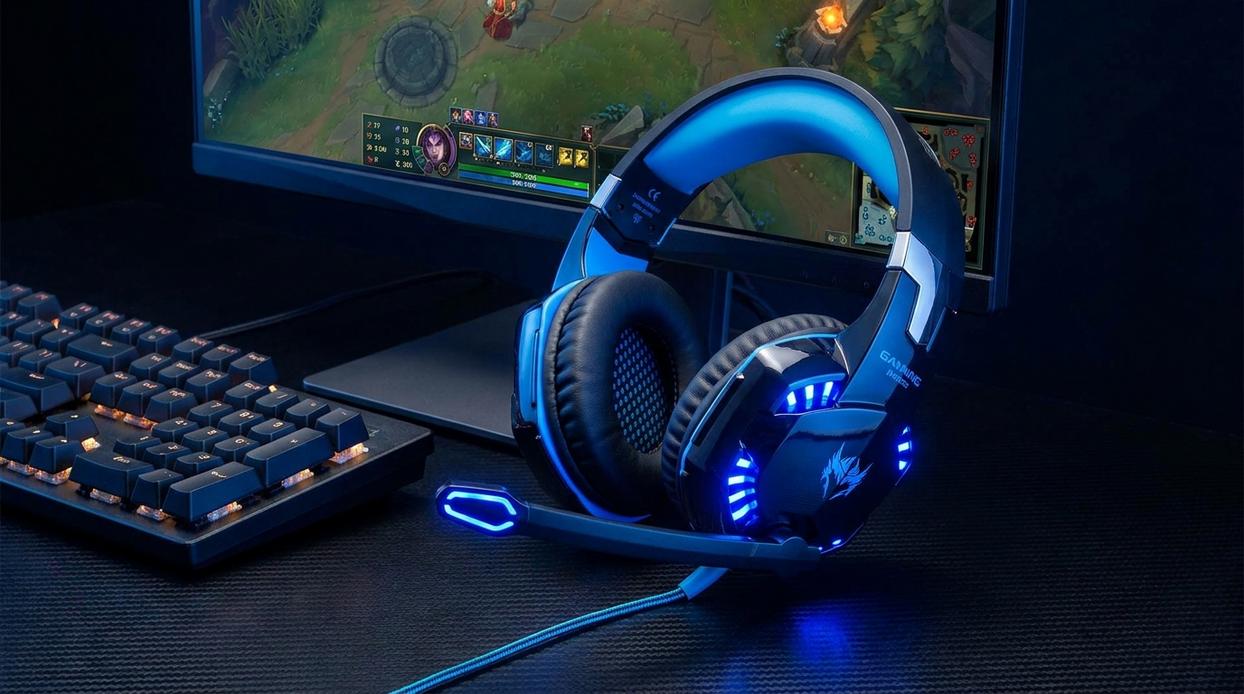
If you’re serious about competitive play, you already know audio matters.
But here’s where most players pmwvideogames get confused. They think any gaming headset will work because it says “gaming” on the box.
Wrong.
Competitive play demands something different. You need to hear exactly where that enemy is rotating. Not just that they’re nearby. Where.
Some people argue that expensive headsets are overkill. They say your skill matters more than your gear. And sure, a great player with a cheap headset will beat a mediocre player with top gear.
But when you’re facing opponents at your skill level? That’s when audio intel becomes the difference between winning and watching the killcam.
Let me break down what actually works for competitive and esports titles.
Headset A: The Audio Intel Specialist
This one nails the high and mid-tones better than anything I’ve tested.
Why does that matter? Because footsteps live in those frequencies. When you can isolate steps from gunfire and explosions, you get positional reads other players miss.
It’s also light. I’m talking tournament-session light. You won’t feel it pressing on your head during hour three of a qualifier.
Headset B: The Team Captain’s Choice
Your callouts mean nothing if your team can’t hear them clearly.
This headset comes with a broadcast-quality mic that cancels background noise. Your teammates hear your voice, not your mechanical keyboard or the firefight happening on your screen.
The audio profile stays balanced too. Game sounds don’t drown out comms when things get loud (and they always get loud).
Headset C: The Wireless Warrior
I know what you’re thinking. Wireless for competitive play?
Yeah. But only if the latency is actually low enough to matter.
This one delivers competitive-grade audio without the cord management headache. The connection stays solid and the battery lasts through multiple sessions before you need to charge.
When someone asks what are the best gaming headphones pmwvideogames for esports, these three cover different needs. Pick based on whether you prioritize positional audio, team communication, or cable-free movement.
Your ears are your radar. Treat them that way.
Top Recommendations for Immersive & Narrative PMW Games
You know that feeling when a game’s story hits so hard you forget you’re sitting in your room?
That’s what I’m after when I play narrative games. Total immersion. The kind where you look up and realize three hours vanished.
But here’s what kills that feeling faster than anything.
Bad audio.
You’re deep in a cutscene and suddenly you hear your neighbor’s dog barking. Or the headset starts pinching your ears an hour in and you can’t focus on anything except the pain.
I’ve tested dozens of headsets for story-driven games. The ones that actually let you disappear into the world of gaming pmwvideogames share two things. They sound incredible and they don’t make you want to rip them off after 30 minutes.
Here’s what works.
Headset D: The Cinematic Soundstage
This one’s built different.
Open-back design means the soundstage feels HUGE. Like you’re sitting in a theater instead of wearing cans on your head. When a character whispers from behind you in a horror game, you’ll actually turn around (I still do this and I know better).
The bass hits hard when it needs to. Explosions feel real. Emotional moments land with weight. But it never drowns out dialogue or ambient details.
If you’re playing something like The Last of Us or God of War, this is what are the best gaming headphones pmwvideogames for that cinematic experience.
Headset E: The Marathon Explorer
Some games demand long sessions. RPGs with 80-hour campaigns. Visual novels that hook you for an entire weekend.
That’s where Headset E shines.
The memory foam earcups feel like pillows. I’ve worn these for five-hour stretches without any hotspots or pressure points. The noise isolation is serious too. Once you’re in, the outside world just fades.
Your roommate could be vacuuming and you wouldn’t know.
For anyone who loses entire Saturdays to narrative games, comfort matters as much as sound quality. This headset gets both right.
Upgrade Your Audio, Elevate Your Game
You now know which headphones match your playstyle.
Whether you’re grinding ranked matches or getting lost in story mode, you have options that actually make sense for how you play.
Here’s the thing: your aim might be perfect and your strategy might be solid, but bad audio holds you back. You miss footsteps. You can’t tell where shots are coming from. You’re playing with a handicap.
What are the best gaming headphones pmwvideogames recommends? The ones that fit how you actually game.
Competitive players need precision and clarity. Casual players want comfort for those long sessions. Some of you need both.
Pick the headset that matches your needs. Then jump into your next session and actually hear what you’ve been missing.
The difference isn’t subtle. You’ll notice it in your first match.
Stop letting your audio be the weak point in your setup. Get the right headphones and start playing the way the game was meant to be heard.