
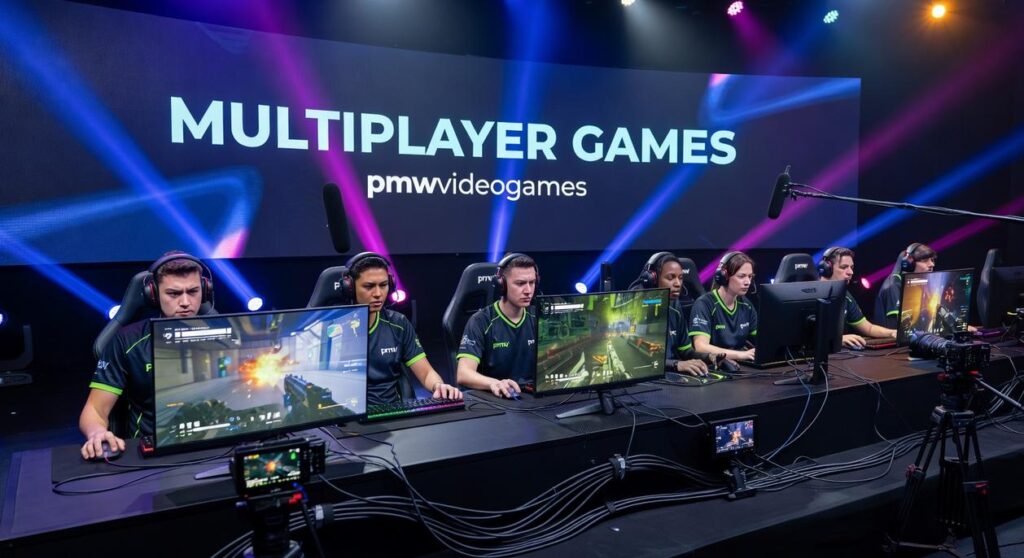
I’ve been gaming for years and I still see people freeze up when someone asks them to pick a multiplayer game.
You’re probably here because you want to play with friends but don’t know where to start. Or maybe you’re coming back after a break and everything feels different now.
Here’s the thing: there are thousands of multiplayer games out there. Different genres. Different playstyles. Different communities.
I’m going to walk you through what you actually need to know. Not every game that exists. Just the stuff that helps you find what fits.
At PMW Video Games, we break down gameplay mechanics and help people figure out what works for them. We’ve tested these games. We know what separates a good match from a waste of time.
This guide covers the main types of multiplayer games you’ll run into. You’ll learn how to pick one that matches your style and what to expect when you jump in.
No fluff about gaming history. Just what you need to get started.
What Defines a Multiplayer Video Game?
You’ve probably played one without even thinking about it.
A multiplayer video game is any game where two or more people play together at the same time. That’s it. Simple as that.
But the way we connect has changed completely.
From Couch to Cloud
I remember when multiplayer meant sitting next to your friend. You’d split the screen on your TV and hope they didn’t look at your side (they always did).
Arcades worked the same way. You’d pump quarters into a cabinet and challenge whoever was standing next to you.
Then the internet happened.
Now you can play with someone in Tokyo while you’re sitting in your Brooklyn apartment. The games never stop running. Servers stay up 24/7 and worlds keep going whether you’re logged in or not.
Why We Keep Coming Back
Here’s what makes multiplayer games different from playing against a computer.
Real people are unpredictable.
You can’t memorize their patterns or figure out their AI logic. Every match feels different because you’re dealing with actual human decisions. Sometimes you’re working together to beat a raid boss. Other times you’re trying to outsmart each other in a battle royale.
That’s the hook. The competition feels real because it is real. The teamwork matters because someone else is counting on you.
And when you pull off that perfect play? You’ve got someone there to share it with.
That social connection is what keeps people playing multiplayer games pmwvideogames covers. Not just the graphics or the mechanics. The people.
The Major Categories of Multiplayer Gaming
You’ve probably noticed that not all multiplayer games feel the same.
Some have you working together against waves of enemies. Others throw you into a free-for-all where only one person walks away victorious.
The difference matters. Because picking the wrong type of game for your mood is how you end up frustrated instead of having fun.
Let me break down how multiplayer games actually work.
Player vs. Environment (PvE) and Co-op games put you and your friends against computer-controlled challenges. You’re working together to survive. Games like Helldivers 2 and Lethal Company prove this point. According to SteamDB data from early 2024, Helldivers 2 hit over 450,000 concurrent players because people wanted that team-based experience (not because they wanted to fight each other).
Monster Hunter built an entire franchise on this idea. Hunt big creatures with your squad. Simple concept that works.
Player vs. Player (PvP) is where things get competitive.
This is where multiplayer games show their teeth. You’re not fighting AI anymore. You’re up against real people who adapt and learn.
Team-Based Competition splits this further. Valorant had 23 million monthly players in 2023 because tactical shooters reward coordination. League of Legends still pulls over 150 million monthly players worldwide. Rocket League turned car soccer into an esport worth millions.
These games live or die on teamwork.
Battle Royale changed everything when it exploded around 2017. Drop 100 players on a map. Shrink the playable area. Last one standing wins. Fortnite made Epic Games $5.8 billion in 2021 alone. Apex Legends hit 100 million players in its first year. Call of Duty: Warzone brought in 100 million players within 13 months of launch.
The numbers don’t lie. People love the tension of survival gameplay.
Massively Multiplayer Online Games (MMOs) create something different entirely. Thousands of players share the same persistent world. World of Warcraft has been running for 20 years because of this. Final Fantasy XIV went from disaster to over 27 million registered players by rebuilding around community and story.
These aren’t just games. They’re virtual spaces where people live second lives (and I mean that literally for some players).
Each category serves a different need. Know what you want before you jump in.
How to Choose the Right Multiplayer Game for You
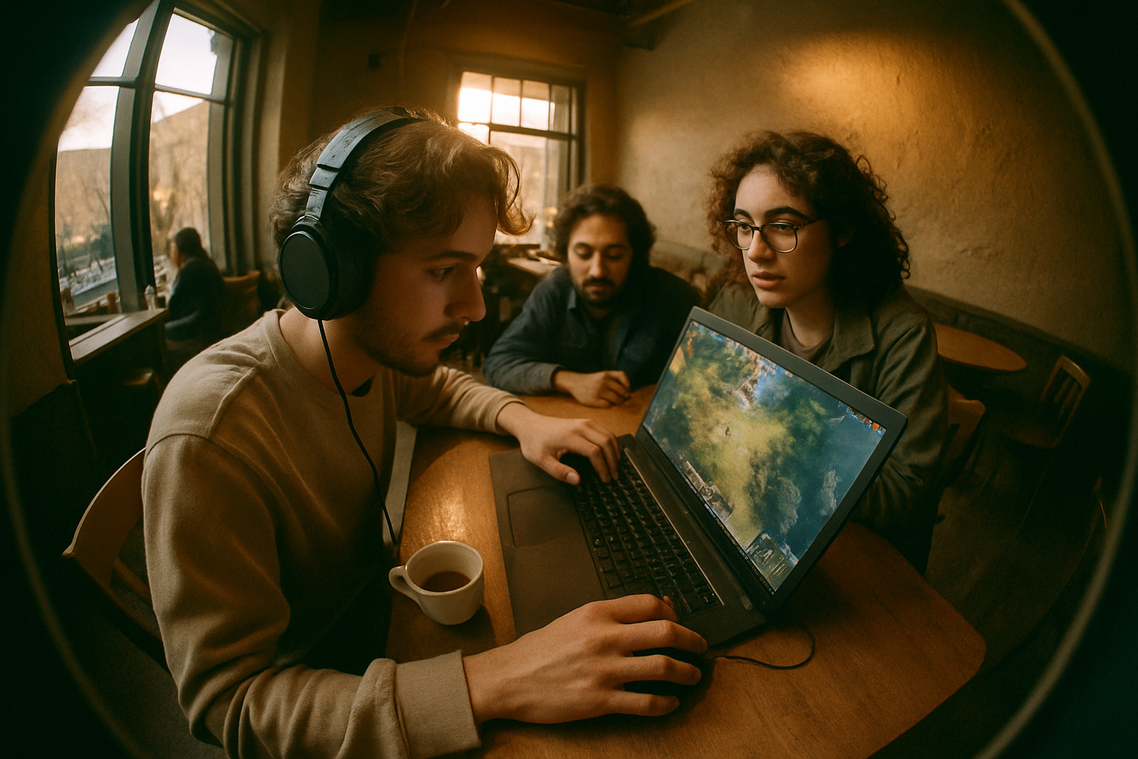
You boot up Steam or your console store and stare at thousands of options.
Which one do you actually play?
I’ve been there. You buy a game because it looks cool, play it for an hour, and never touch it again. Forty bucks down the drain.
The problem isn’t the games. It’s that you’re picking based on hype instead of what actually fits your life.
Some people say just pick whatever’s popular. Follow the crowd and you can’t go wrong. And sure, there’s some truth to that. Popular games usually have active communities and regular updates.
But here’s what they’re missing.
A game with ten million players means nothing if you hate the playstyle. I’ve seen people force themselves through hundreds of hours of a game their friends love, miserable the whole time.
Start with how you actually like to play.
Are you the type who wants to call shots and coordinate with a team? Or do you prefer going solo and proving you’re better than everyone else? Maybe you just want to hang out in a virtual world and chat while doing quests.
There’s no wrong answer. But picking a competitive shooter when you really want a chill social experience is setting yourself up to quit.
Time matters more than you think.
Games like Rocket League let you jump in for 20 minutes and feel satisfied. You can play between other things in your life.
Then you’ve got games like EVE Online that basically require a part-time job commitment. (I’m not exaggerating. Some players set alarms for 3 AM fleet operations.)
Be honest about your schedule. A game that demands daily login rewards and timed events will stress you out if you travel for work or have unpredictable hours.
Platform compatibility is the thing nobody thinks about until it’s too late.
You’re on PlayStation, your best friend plays on PC, and suddenly you can’t squad up. I’ve watched friend groups split over this exact issue.
Cross-play has changed the game though. More titles now let you party up regardless of system. Check if the game supports it before you buy. Sites like how to download games pmwvideogames often list platform details and compatibility info.
Match the genre to what you already enjoy.
If you love strategy games, MOBAs or MMOs with tactical depth will click for you. Shooter fans should look at battle royales or team-based FPS titles. Sports lovers have obvious picks.
Don’t try to force yourself into a genre because it’s trendy. I spent months trying to get into fighting games because everyone said they were having a moment. Turns out I just don’t enjoy memorizing frame data and combo strings.
Here’s the real secret though.
The best multiplayer games pmwvideogames experience comes from playing what your friends play. Gaming is social. A mediocre game with your crew beats a masterpiece played alone.
Ask around your group. See what they’re into. Sometimes the right choice is joining them in a game you wouldn’t have picked yourself.
You might discover something new. Or at minimum, you’ll have people to laugh with when things go sideways.
Essential Tips for Getting Started
I’ll be straight with you.
Your first few matches are going to hurt. You’ll die in ways that don’t make sense. You’ll watch players pmwvideogames pull off moves you didn’t know existed.
That’s normal.
Here’s what actually helps when you’re starting out.
Focus on one thing per session. Not five things. One. Maybe it’s learning the map layout. Or figuring out when to reload. Pick something small and get decent at it.
Research from the University of Colorado shows that focused practice beats random repetition every time (they studied skill acquisition across competitive activities). Your brain needs clear targets.
Use the practice modes. I know you want to jump straight into multiplayer games pmwvideogames with real people. But spending 20 minutes in training mode saves you hours of frustration later.
Think of it like this. Would you rather learn how grenades work against bots or find out mid-match while your team’s yelling at you?
Learn the ping system first. Most games have one now. A simple way to mark enemies or call for help without saying a word. Master that before you even think about voice chat.
Here’s the thing about communication that nobody tells beginners. Talking less usually works better than talking more. One clear callout beats ten panicked ones.
Your Next Adventure Awaits
You came here confused about which multiplayer games pmwvideogames to try.
I get it. The options are endless and most advice sounds the same.
But now you have a framework that actually works. You know the core types of multiplayer and how they match different playstyles.
No more scrolling through Steam feeling lost. No more buying games that don’t click.
You understand what you’re looking for now. That’s half the battle.
The other half is simple: pick a title that fits your style and jump in. Grab a friend if you want or go solo.
Shared gameplay hits different when you know what you’re getting into. The excitement is real once you find your fit.
Your next move is right in front of you. Choose a game and start playing.