
The gaming world is changing fast. If you’re not paying attention to blockchain in gaming, you might get left behind.
This technology can redefine how we interact with games. Think about ownership, transparency, and new ways to earn. Doesn’t that sound interesting?
I’ve seen firsthand how this shift impacts players and developers alike. The potential is huge. Players can actually own their in-game assets, which changes the game entirely.
Developers have new tools to create immersive experiences.
In this article, I’ll break down what blockchain really means for gaming. We’ll explore the benefits and challenges, and I’ll share takeaways from industry experts.
You’ll walk away with a clear understanding of how blockchain could shape the future of gaming. I promise you’ll gain valuable knowledge that could boost your gaming experience.
Let’s dive into this exciting topic and see what lies ahead.
DLT in Gaming: The Game Changer We Need
Digital Ledger Technology (DLT) is the backbone of blockchain in gaming, and it’s about time we talk about it. At its core, DLT is decentralized, meaning no single entity holds all the cards. It’s immutable, so once data is recorded, it can’t be changed.
And let’s not forget transparency. Everyone can see what’s happening, which is a game-changer for gaming.
Imagine a world where you actually own your in-game assets. That’s the promise of DLT. It uses a distributed network, ensuring your items aren’t locked away by some centralized authority.
Cryptographic security keeps your assets safe. Consensus mechanisms make sure everyone agrees on the game state. Sounds like science fiction?
It’s not.
Traditional gaming has serious issues: you’ve got centralized control, transparency problems, and the ever-present threat of fraud. DLT tackles these head-on. Game economies become fairer when players can verify transactions themselves.
Fraud becomes a relic of the past with secure transactions.
Picture this: you’re playing your favorite game and know your rare sword is truly yours. It’s not just a digital blip. DLT makes this possible and opens the door to a new era in gaming.
Ready to dive in?
Beyond NFTs: Reshaping In-Game Economies
When people talk about blockchain in gaming, they usually mention NFTs. But there’s so much more. The real game-changer is how Distributed Ledger Technology (DLT) enables true digital asset ownership for players.
Imagine owning your in-game sword or avatar, not the game publisher. Sounds like freedom, right?
DLT doesn’t just stop at ownership. It opens doors to interoperability. Picture this: using your hard-earned items across different games or platforms.
No more walled gardens keeping you stuck. Finally, you can take your prized dragon from Game A and fly it into Game B. Why should developers care?
Because it keeps players engaged and loyal.
Let’s not forget player-driven markets. DLT allows for secure, transparent trading of assets. No more middlemen taking hefty cuts.
You sell your virtual property directly to another player. Everyone wins (except the greedy middleman). And speaking of wins, DLT can create fair revenue-sharing models.
User-generated content (UGC) and community contributions can now earn their creators a fair share.
Check out this Ai Shaping Modern Video Games. It’s fascinating to see AI and blockchain intertwine, creating a new gaming era.
Some games are already embracing these concepts. Games with play-to-earn mechanics and asset marketplaces are leading the charge. Want to see tech integration in action?
Is this the future of gaming? Maybe. But for now, blockchain in gaming is reshaping how we view virtual economies.
Embrace it, or you’ll be left behind as the industry evolves.
Elevating Gameplay: DLT for Security and Innovation
Blockchain in gaming is changing the space (finally, some real innovation). I’ve seen how Distributed Ledger Technology (DLT) makes game security tighter than a drum. By making game logic verifiable and tamper-proof, it strengthens anti-cheat systems.
You know how annoying cheaters are. DLT secures player accounts and data too. Who doesn’t want their data safe?
Transparency is another win. DLT introduces verifiable randomness for loot drops and card packs. This builds trust.
Players know they’re not being ripped off. Imagine opening a pack in your favorite RPG and knowing it’s all fair. It’s like magic.
Now, let’s talk new mechanics. DLT enables persistent game worlds and community-driven game development. Think about a virtual world where players contribute to changing content creation.
It’s like Minecraft on steroids.
And DAOs? They’re not just buzzwords. In gaming, they let players vote on updates or lore decisions.
It’s player power, unleashed.
Want to see where this could go next? Check out the future augmented reality in games. It’s the next frontier.
We’re at the cutting edge of gaming, and DLT is leading the charge. Ready for the ride?
The Developer’s Edge: Integrating DLT into Game Design
So, you’re thinking about diving into the world of blockchain in gaming. Smart move. Integrating Distributed Ledger Technology (DLT) into your games can revolutionize how players interact with virtual worlds.
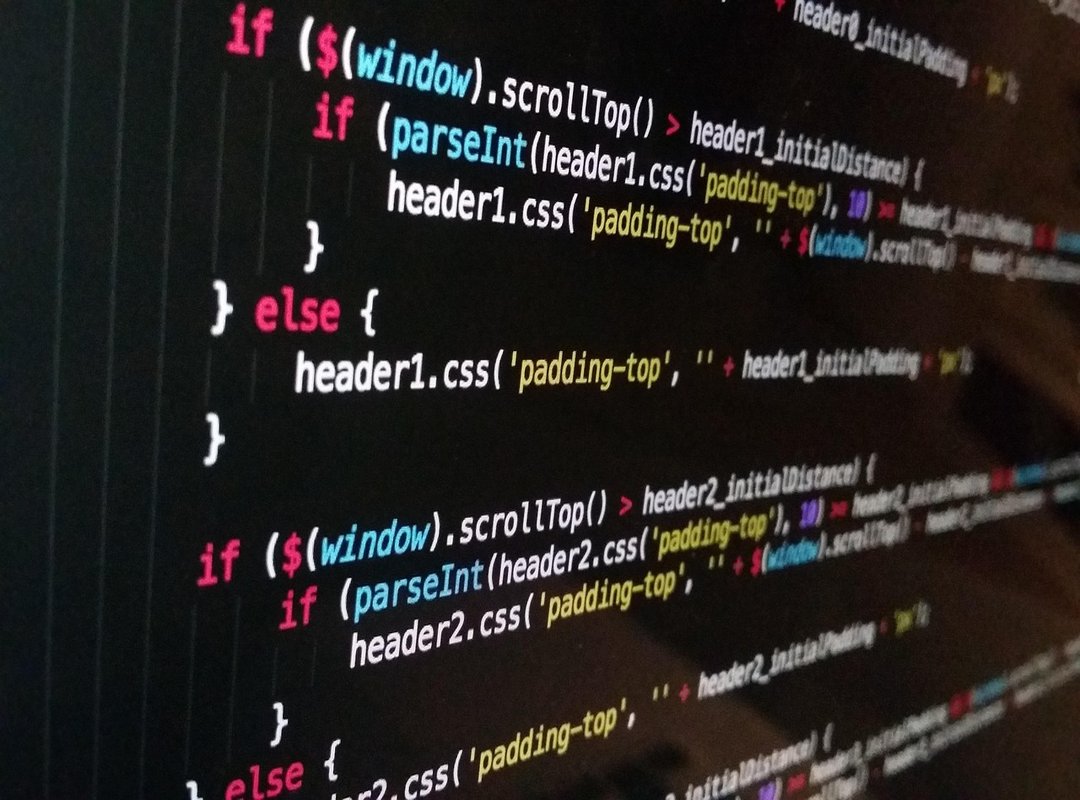
But let’s face it, the practical considerations are not for the faint-hearted.
First off, choosing the right DLT platform is key. Ethereum, Solana, or maybe even Polygon? Each has its strengths.
You’ll need to weigh transaction fees, scalability, and your team’s familiarity with the platform.
Designing with DLT also means balancing decentralization with user experience. Nobody wants a game that’s clunky or slow because of blockchain. And then there are transaction fees.
How do you keep them from ruining the player’s fun? It’s a design challenge you can’t ignore.
The learning curve is steep. Smart contracts and blockchain architecture aren’t things you pick up overnight. Your team might need to learn new skills or even bring in fresh talent.
Pro tip: Start small. Prototype. Engage with the DLT gaming community.
Long-term, embracing DLT isn’t just about tech. It’s about attracting new talent and a dedicated player base. For more on this, check out this take on blockchain in gaming.
Gaming’s New Frontier: DLT Challenges
Let’s talk about the elephant in the room when it comes to blockchain in gaming. Scalability. Current DLT networks just can’t handle the high transaction volume games demand.
You’ve seen it: lag, high fees. It’s frustrating, right?
Then there’s the environmental impact. Proof of Work is a beast when it comes to energy consumption. Sure, there are greener alternatives like Proof of Stake, but the shift isn’t happening overnight.
User experience? A nightmare for the uninitiated. Crypto wallets, seed phrases.
It’s like learning a new language. And who has time for that?
Regulatory uncertainties add another layer of complexity. Who owns digital assets? It’s a legal minefield.
And let’s not forget the scams. They’re rampant, making security and ethical practices non-negotiable.
Despite the hurdles, blockchain’s potential in gaming is undeniable. But we need solutions, not just hype. Are we ready to tackle these issues head-on?
Unlocking the Future of Gaming
I’ve covered how blockchain in gaming can shift the space. You want true ownership and transparency in your gaming experience, right? Traditional systems often miss the mark.
DLT can change that. It promises a future where players are prioritized.
So what’s next? Dive into DLT-powered games. Follow developers leading the charge.
Stay informed about what’s coming.
The possibilities are exciting. Embrace this shift and be part of the revolution. Your gaming experience deserves it.
Don’t wait. Explore the future today and see how it transforms your gameplay for the better.